

In modern military, aerospace, communications and industrial applications, mil-spec connectors have become one of the key electronic components with their excellent performance, reliability and durability. Whether it is combat missions in harsh environments or high-demand aerospace equipment, mil-spec connectors play an important role. This article will explore in detail the composition, working principle and importance of each component of mil-spec connectors.
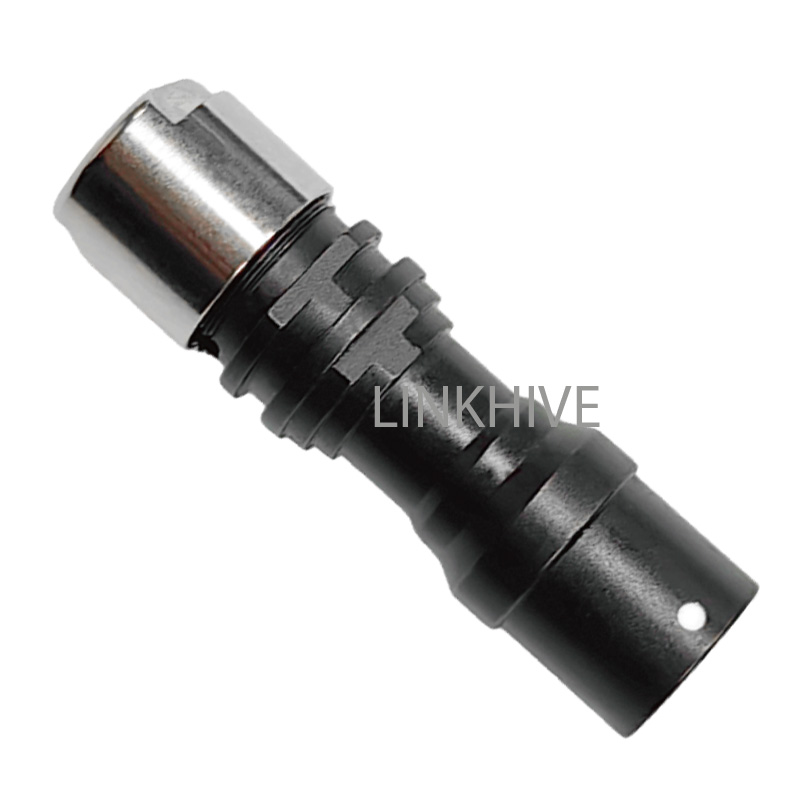
What are mil-spec connectors?
Mil-spec connectors are connectors that meet military standards (MIL-SPEC). These standards are set by the US Department of Defense to ensure that military connectors can work stably under extreme environmental conditions such as extremely high or low temperatures, high humidity, high vibration, corrosion, etc. These connectors are widely used in military, aviation, aerospace, communications, automotive and other fields that require high reliability and stability.
MIL-SPEC, or "Military Specification", refers to a series of standards established by the US government or military to ensure that all military products adhere to certain quality and performance standards during the manufacturing process. Mil-spec connectors must meet these standards to operate effectively in harsh environments.
Mil-spec connectors are designed to provide high security, strong anti-interference and high durability, so their constituent materials, design, interface form and performance requirements are very strict.
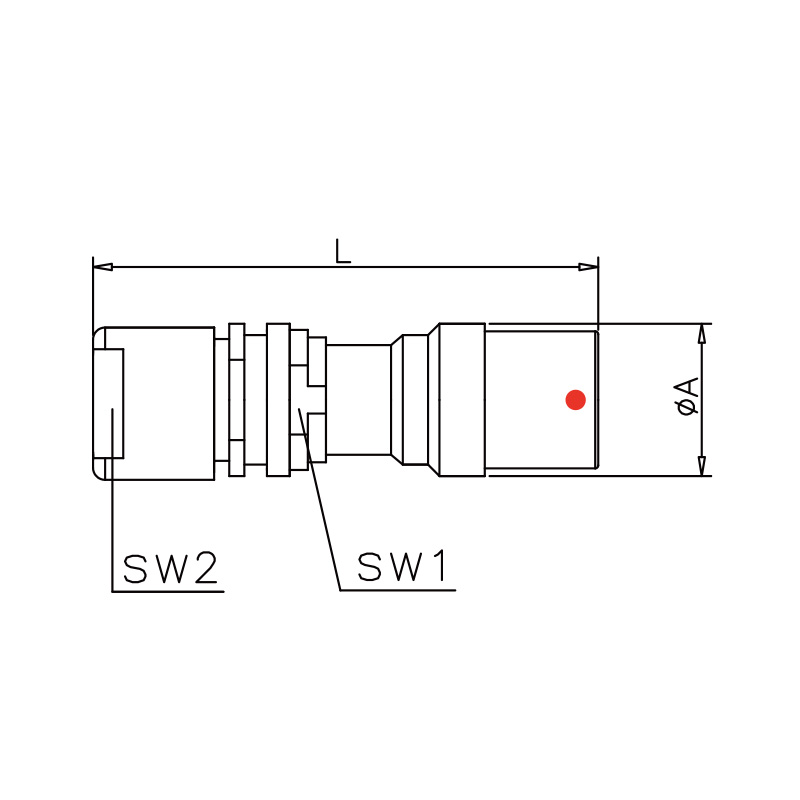
Main components of mil-spec connectors
The composition of mil-spec connectors usually includes multiple components, each of which plays a vital role in ensuring the reliability and safety of the connector under harsh conditions. The following are the main components of mil-spec connectors.
Shell
The shell is the first line of defense for military connectors, mainly used to protect internal components from the external environment. The shell is usually made of durable metal materials such as aluminum alloy, steel, and stainless steel, which not only provide mechanical strength, but also effectively resist corrosion, wear and electromagnetic interference (EMI). The design of military connectors shells is usually shock-resistant, dust-proof, high-temperature resistant, and chemical-resistant to meet the high requirements of durability and environmental adaptability for military equipment.
The shell of military connectors is also waterproof, usually with a waterproof design that meets the IP (Ingress Protection) protection level requirements to ensure that no failure occurs in humid or underwater environments. For some special application scenarios, the shell of military connectors can also be equipped with sealing rings to further enhance the waterproof performance.
Contacts
The contact is the part responsible for electrical connection in mil-spec connectors. It is usually made of highly conductive metals (such as copper, gold, silver or nickel) to ensure the stability of signal transmission. The design of military connectors contacts is very particular, and high-precision manufacturing processes are usually used to ensure good contact during plugging and unplugging to avoid poor contact or signal loss.
● Military connectors contacts usually include two types: pins and sockets. When the connector is connected, the pin and the socket form a circuit path through physical contact. The quality of military connectors contacts directly determines the performance and service life of the connector. Therefore, the contacts in military connectors must undergo rigorous durability testing to ensure that they can work stably in complex environments such as high temperature, high humidity, and high vibration.
In addition, military connectors contacts also need to have corrosion resistance, wear resistance, and oxidation resistance to ensure that the performance does not decay during long-term use.
Seals
Seals are key components of connectors to prevent external contaminants (such as water, dust, oil, etc.) from entering the interior. The sealing design of mil-spec connectors usually uses rubber or silicone materials, which have strong elasticity and sealing properties, and can effectively block the entry of moisture and contaminants, thereby ensuring that the electrical contact inside the connector is not damaged.
The design of military connector seals usually includes multiple annular seals or O-rings, which are installed between the connector shell and the contact to provide double protection. The types and designs of seals may vary for different application environments to ensure that the connector can cope with various complex environmental conditions.
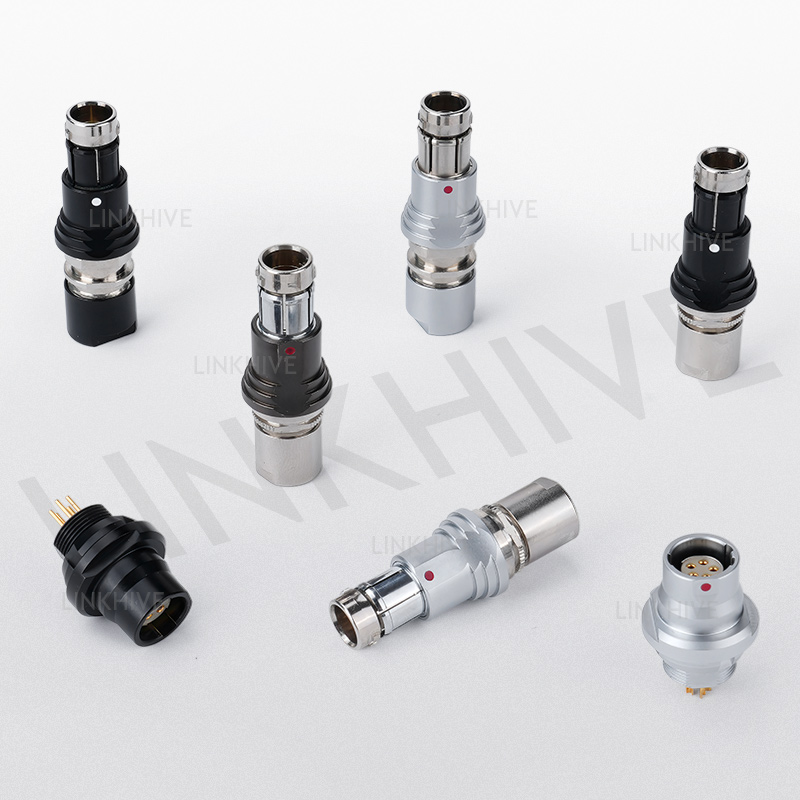
Insulators
Insulators are an important component of mil-spec connectors, mainly used to isolate electrical contacts to avoid short circuits or electrical leakage. Insulators are usually made of polymer materials, ceramics or other high-insulation materials. Its function is to physically isolate the contacts to ensure that the transmission of current does not interfere with other circuits and ensure the purity and stability of the signal.
For mil-spec connectors, the insulator must not only have good insulation properties, but also be able to withstand extreme temperatures, high humidity and other harsh environmental conditions. In addition, the selection of insulator materials for military connectors must meet multiple requirements such as chemical corrosion resistance, radiation resistance and aging resistance to ensure the long-term stability of the connector.
Locking Mechanism
The locking mechanism is a key part of mil-spec connectors to ensure a secure connection. Since military applications often need to operate in high-speed motion, high vibration or harsh environments, the role of the locking mechanism is to ensure that the connector is firmly connected to prevent loosening or disconnection under external forces.
Military connectors locking devices usually use mechanical locks, snaps or rotation locking systems. These systems are designed not only to ensure a secure connection, but also to be convenient and quick when disassembly is required. The design of the locking device must comply with MIL-SPEC standards to ensure that it can still maintain the reliability of the connection under high-frequency plugging and unplugging or high-vibration environments.
Pins and Rivets
Pins and rivets are mainly used for the assembly and fixation of connectors. In some military connectors, these parts are used to fix the shell and internal components. They are usually made of high-strength materials such as stainless steel and aluminum alloy. The quality of pins and rivets directly affects the mechanical stability of military connectors, ensuring the durability and damage resistance of connectors in long-term use.
EMI shielding
In military applications, electromagnetic interference (EMI) may seriously affect the normal operation of electronic equipment. Therefore, mil-spec connectors usually have EMI shielding. To achieve this goal, the connector shell is usually made of highly conductive metal materials such as nickel or stainless steel, and the surface of the military connector shell is also specially treated to enhance the shielding effect.
EMI shielding can not only prevent the influence of external electromagnetic interference on the signal, but also prevent the electromagnetic radiation of the device itself from interfering with other devices. For military equipment, EMI shielding is an important measure to ensure system reliability.
Terminals
Terminals are the components used to connect wires in mil-spec connectors. Terminals are usually made of copper, aluminum or other highly conductive metal materials to ensure that current can pass effectively. In some high current or high voltage applications, the design requirements of the terminal are very strict, usually need to meet the stability requirements under high load, high temperature, high pressure and other conditions.
The design of military connectors terminals is usually very precise, and it is necessary to ensure that they fit tightly with the contact to avoid problems such as current leakage or poor contact. Good terminal design can not only improve the performance of the connector, but also extend the service life of the connector.
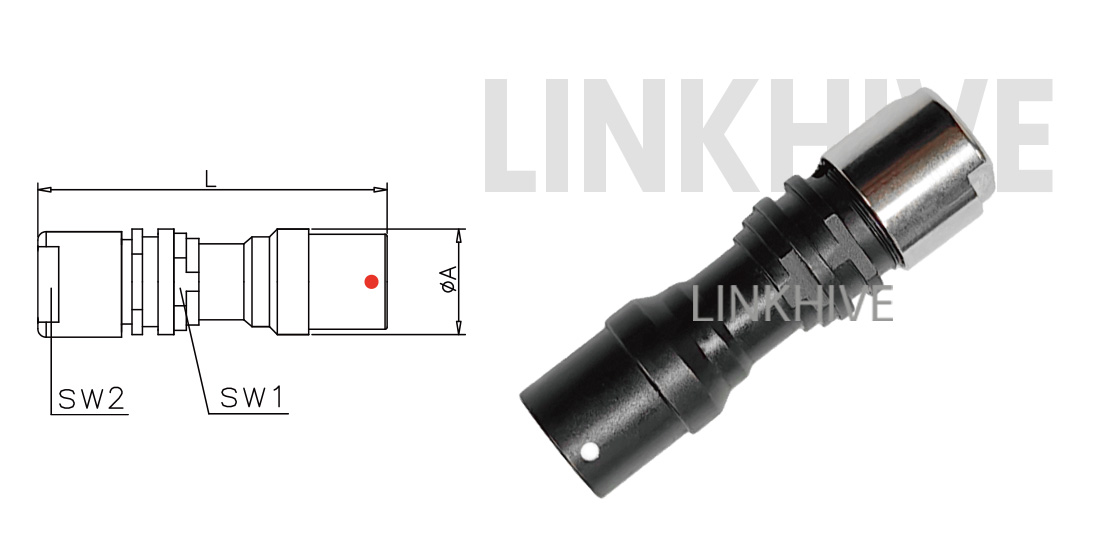
As a trusted supplier and manufacturer, LINKHIVE offers a wide selection of precision connectors that meet international standards like UL, CE, and RoHS certifications. Our products, such as mil spec connectors, high-pressure connectors, and plastic connectors, are built for durability and long-lasting performance. We specialize in customized connector solutions for industries ranging from healthcare to telecommunications and aerospace. Buy from us and experience wholesale pricing, fast quotes, and a commitment to high-quality manufacturing. LINKHIVE is your reliable partner in sourcing connectors at competitive prices from China.