

Enabling Reliability Across Medical Devices, Industrial Automation, Test & Measurement, and Automotive Manufacturing
In modern electronic systems, connectors and cable assemblies play a critical role in ensuring stable signal transmission, power integrity, and overall system reliability. As equipment becomes more compact, intelligent, and performance-driven, the requirements placed on interconnect solutions continue to rise.
High-reliability connectors and custom cable assemblies are no longer standard components—they are engineered elements that directly impact product safety, precision, and lifecycle performance. Below is an overview of how connectors and cable assemblies are applied across several key industries.
Medical Devices
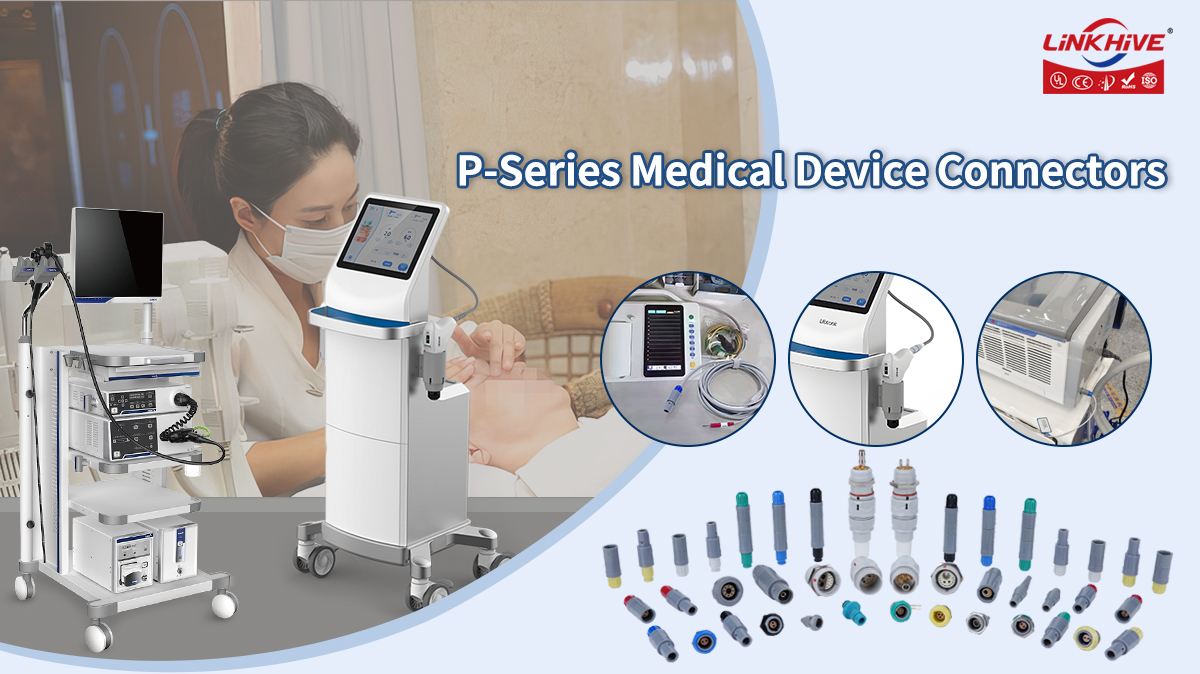
Medical equipment places extremely high demands on reliability, safety, and consistency. Connectors and cable assemblies are widely used in diagnostic, monitoring, imaging, and therapeutic devices, such as patient monitors, ventilators, ultrasound systems, and minimally invasive surgical equipment.
Key technical requirements include:
Stable electrical performance and low contact resistance
High mating cycle life for frequent connection and disconnection
Secure locking mechanisms to prevent accidental disconnection
Compliance with medical safety standards
Support for miniaturization and lightweight device design
Custom cable assemblies are often required to integrate power, signal, and data transmission within limited space, while ensuring long-term durability and patient safety.
Industrial Automation
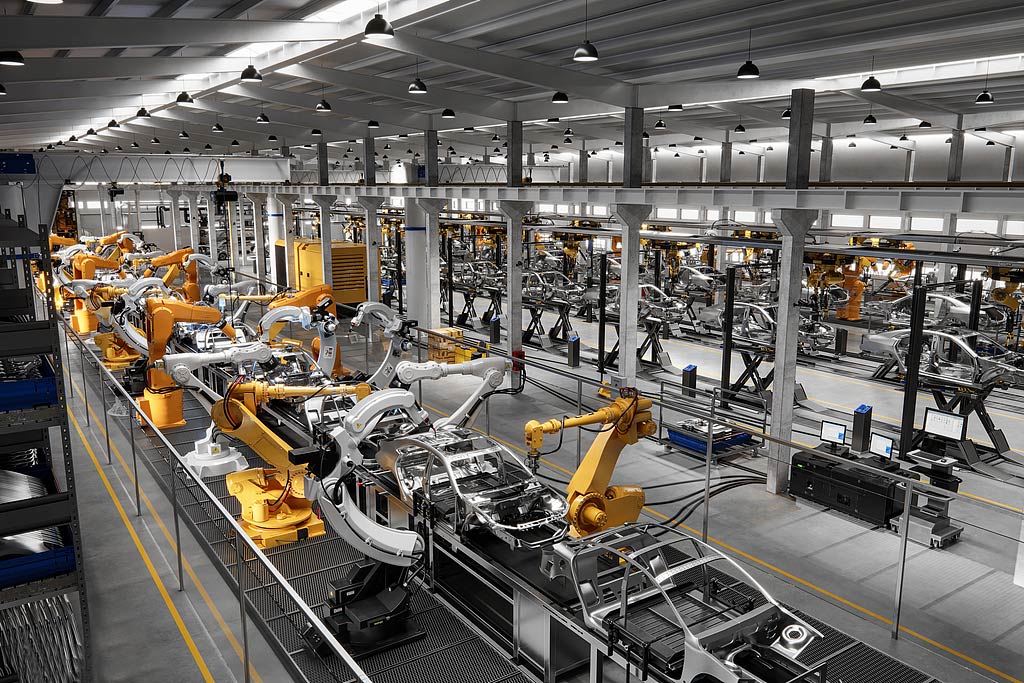
In industrial automation systems, connectors and cable assemblies are essential for linking sensors, actuators, control units, and industrial networks. These systems often operate in harsh environments involving vibration, dust, moisture, oil, and temperature fluctuations.
Typical application requirements include:
Robust mechanical design with high vibration resistance
Reliable shielding for signal integrity in high-EMI environments
High ingress protection (IP-rated) solutions
Fast and secure connection for efficient installation and maintenance
Well-designed interconnect solutions help minimize downtime, improve system stability, and support continuous operation in demanding industrial settings.
Test & Measurement Equipment
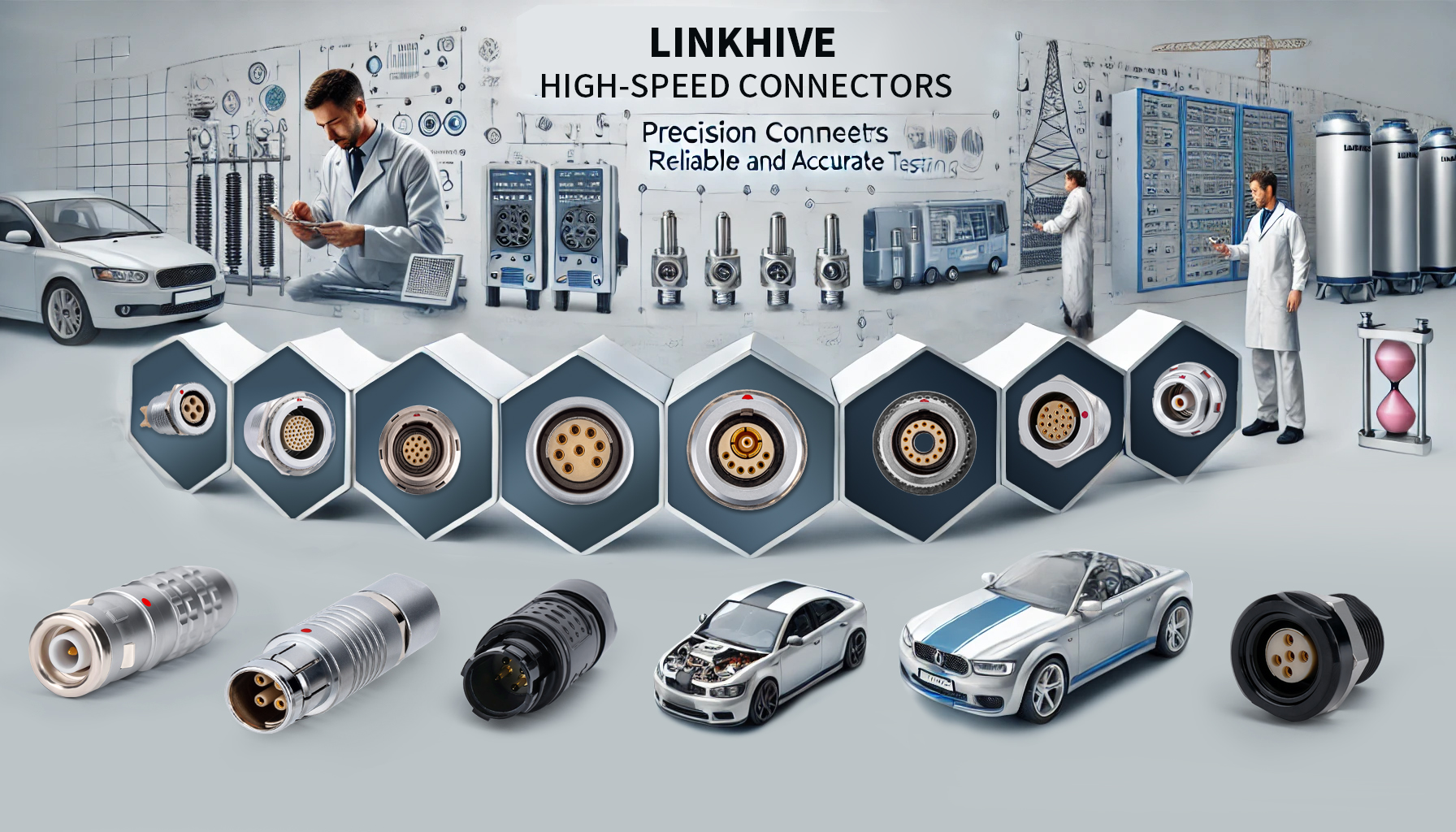
Test and measurement instruments rely heavily on precise signal transmission. Even minor signal loss or interference can affect measurement accuracy. Connectors and cable assemblies are therefore critical components in oscilloscopes, signal generators, data acquisition systems, and calibration equipment.
Key considerations include:
Controlled impedance and excellent signal integrity
Reliable shielding and grounding performance
Mechanical precision for repeatable connections
Compatibility with frequent reconfiguration and laboratory use
High-quality interconnect solutions ensure consistent performance and measurement accuracy across a wide range of test environments.
Automotive Manufacturing
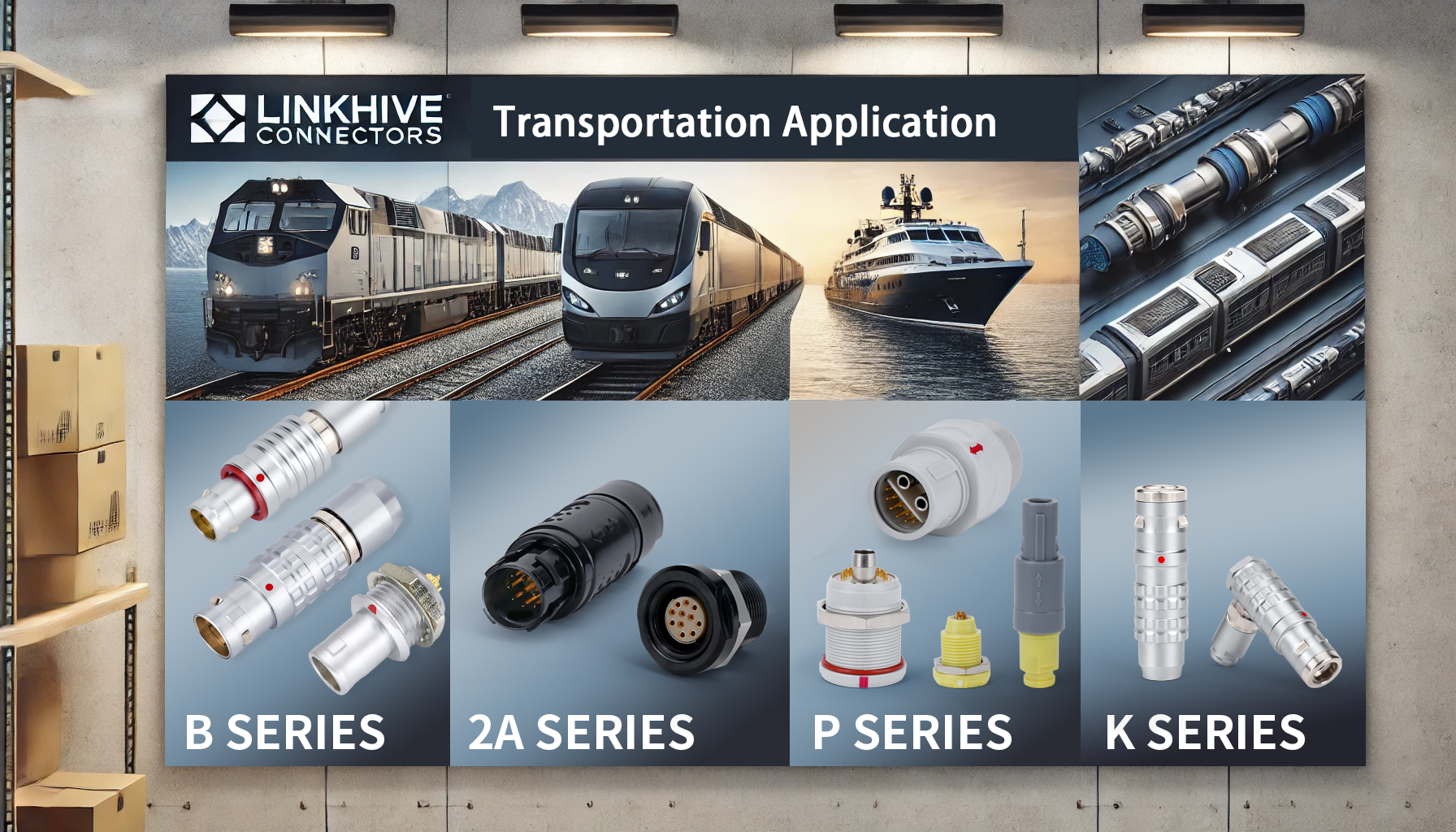
As vehicles become increasingly electrified, connected, and automated, the demand for reliable connectors and cable assemblies continues to grow. Applications include power distribution, sensor systems, control modules, testing equipment, and manufacturing automation.
Important requirements in automotive-related applications include:
Resistance to vibration, temperature variation, and mechanical stress
Secure locking and long-term connection stability
Support for power, signal, and data transmission
Compatibility with automated assembly and testing processes
Reliable interconnect systems contribute to both production efficiency and the long-term performance of automotive systems.
Conclusion
Across medical devices, industrial automation, test & measurement, and automotive manufacturing, connectors and cable assemblies are fundamental to system performance and reliability. Selecting the right interconnect solution—whether standard or custom-designed—helps ensure stable operation, precise performance, and long-term durability.
As application requirements continue to evolve, manufacturers increasingly rely on technically robust, customizable interconnect solutions to support innovation and maintain competitive advantage.