

How Are Push Pull Connectors Used Across Real Medical and Industrial Equipment?
Modern electronic systems are no longer defined only by processing power or software capability. In medical and industrial equipment, interconnection reliability has become a decisive factor affecting system stability, safety, and service life. Among various interconnection solutions, the push pull connector has emerged as a widely adopted interface across a broad range of real-world applications.
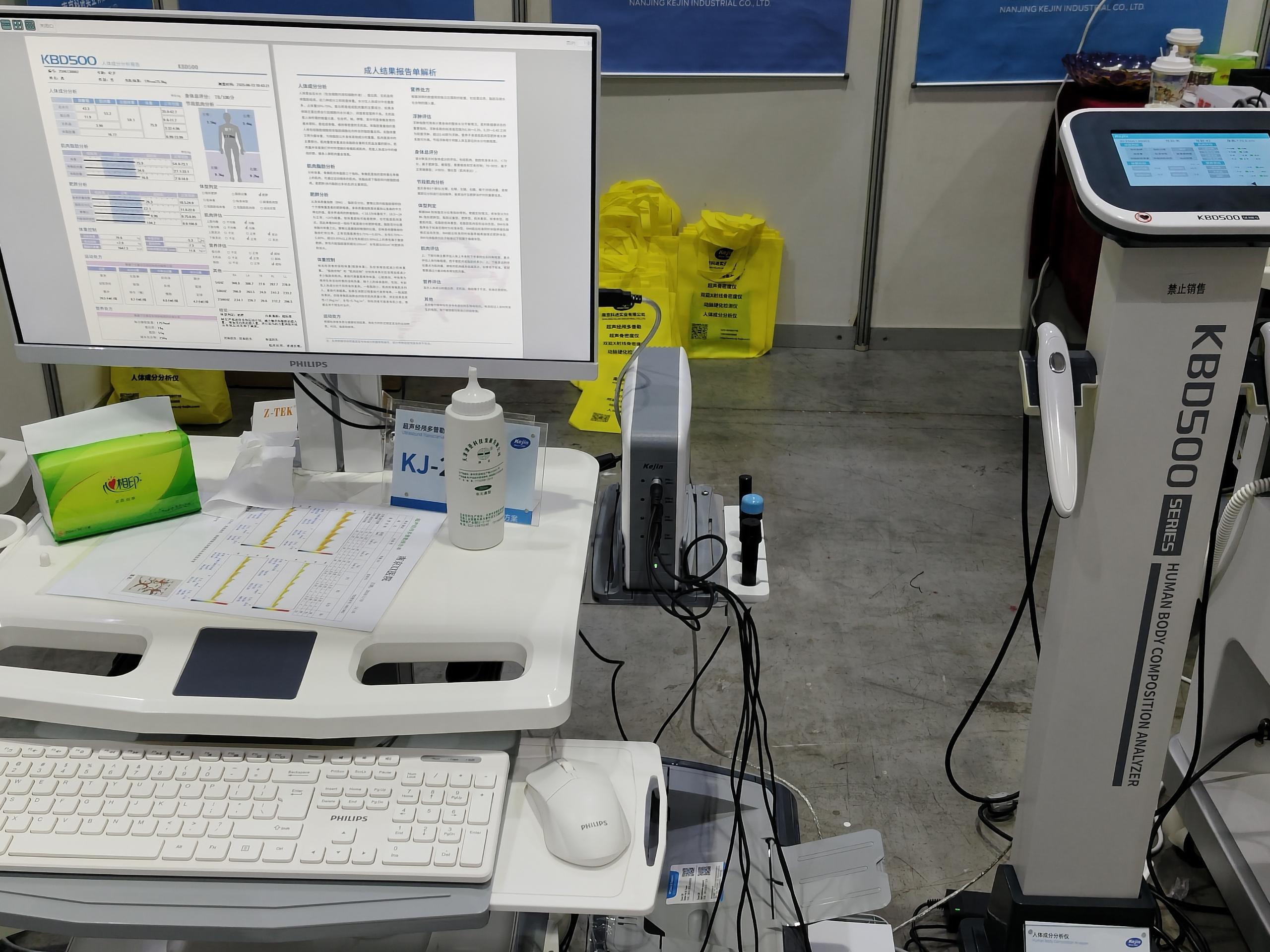
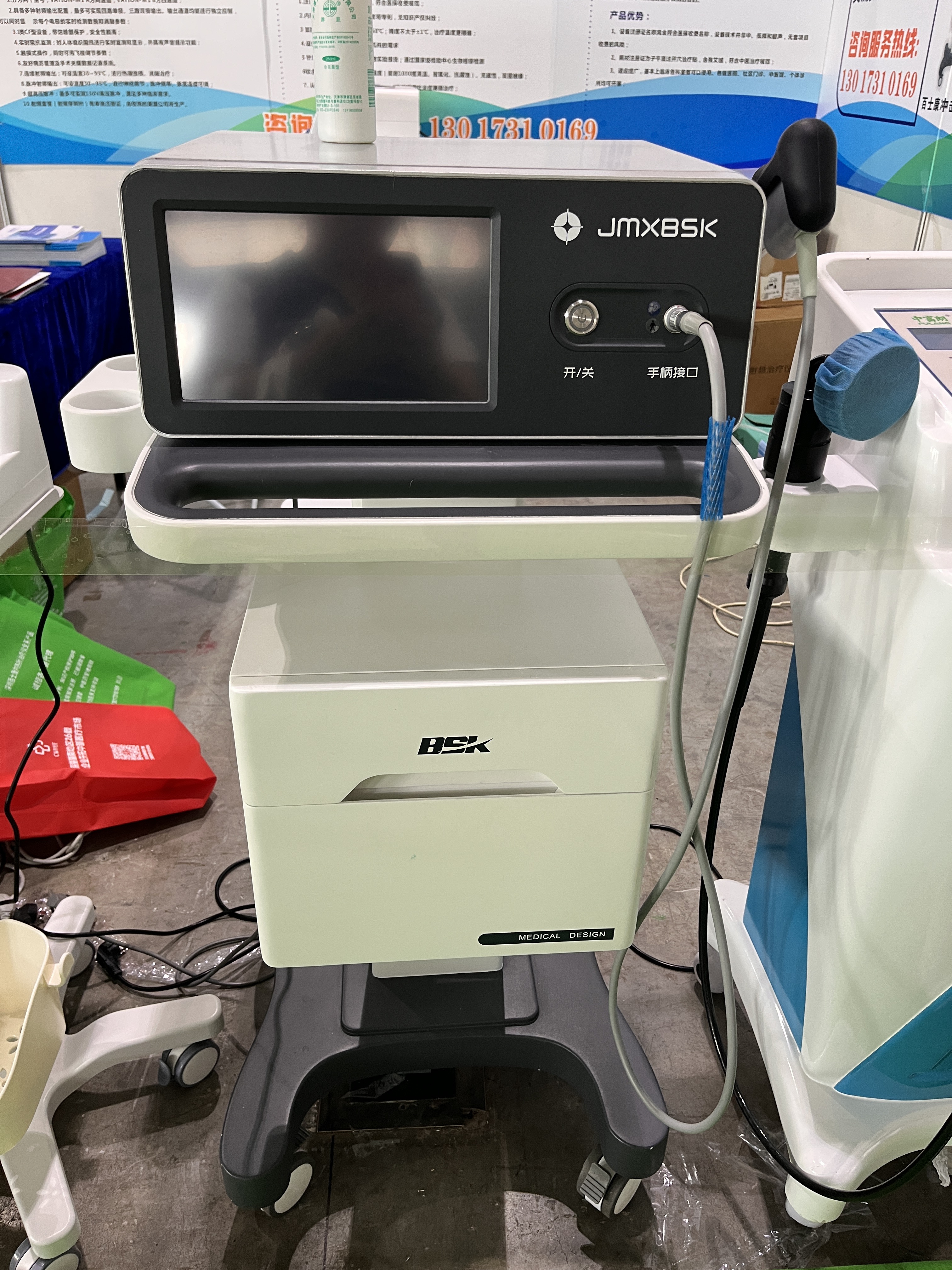
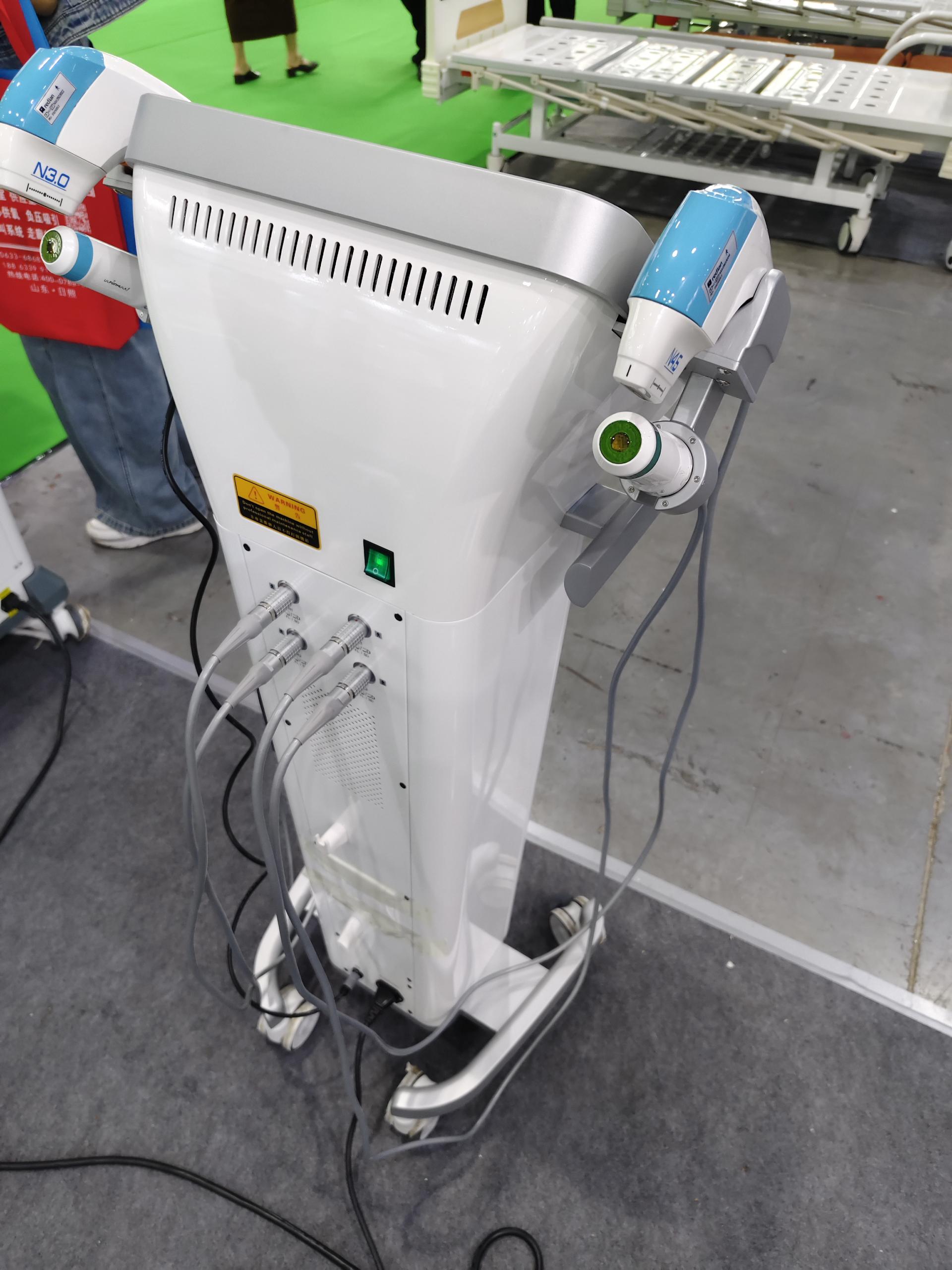
Based on on-site equipment observations, trade show demonstrations, and real customer installations, this article reviews how push pull connectors, miniature connectors, and watertight circular connectors are applied in today’s medical and industrial devices.
Push Pull Connector Applications in Medical Imaging and Therapy Equipment
Medical imaging and therapy systems represent one of the most demanding application environments for interconnection technology. Equipment such as ultrasound systems, imaging consoles, energy therapy units, and surgical platforms require connectors that combine mechanical security with operational simplicity.
In these systems, the push pull connector is commonly used for:
camera and imaging module connections
probe-to-main-unit signal transmission
control and feedback signal interfaces
The push-pull self-locking mechanism allows fast connection without tools, while ensuring secure locking during continuous operation. This feature is especially important in medical environments where quick setup and reliable performance are essential.
Miniature Connectors in Compact Medical Device Design
As medical equipment continues to move toward compact and mobile configurations, miniature connectors have become a fundamental design requirement rather than an optional choice.
Miniature push pull connectors enable:
reduced enclosure size
higher internal integration density
simplified cable routing
In portable imaging devices, bedside diagnostic systems, and mobile treatment carts, miniature connectors support flexible system design without compromising electrical performance or mechanical durability.
Watertight Circular Connector Use in Medical and Laboratory Environments
Although traditionally associated with outdoor or industrial environments, the watertight circular connector is now increasingly used inside medical and laboratory facilities.
Medical equipment is frequently exposed to:
routine cleaning procedures
disinfectants and liquids
humid operating conditions
Watertight circular connectors provide additional protection against accidental liquid ingress, helping to maintain long-term system reliability and reducing maintenance risks. This has made them a preferred solution in therapy systems, laboratory analyzers, and sterilizable equipment platforms.
Push Pull Connectors in Medical Monitoring and Life-Support Systems
Patient monitoring and life-support equipment operates continuously and must maintain stable signal transmission over extended periods.
In these systems, push pull connectors are widely used for:
ECG, SpO2, IBP, and sensor interfaces
external module connections
detachable cable assemblies
The secure locking mechanism prevents unintentional disconnection caused by movement, vibration, or cable tension, making the push pull connector a trusted interface for critical medical applications.
Industrial Testing and Measurement Equipment Applications
Beyond medical devices, push pull connectors and miniature connectors are extensively applied in industrial testing and measurement systems.
Typical applications include:
sensor signal transmission
probe and measurement head interfaces
modular testing system connections
Industrial environments often involve vibration, frequent reconnection, and repeated handling. Push pull connectors offer long mating cycles and consistent electrical performance, supporting reliable operation under demanding conditions.
Vision, Camera, and Imaging System Interconnections
Many of the devices shown in real application images belong to industrial or medical camera and vision systems. These systems rely on stable signal transmission and compact mechanical integration.
Push pull connectors are commonly used for:
camera-to-control-unit connections
power and signal hybrid transmission
detachable camera heads
In high-resolution imaging systems, miniature connectors help reduce cable bulk while maintaining shielding effectiveness and signal integrity.
The Role of Cable Assemblies in System-Level Reliability
In practical applications, connector performance is inseparable from cable assembly quality. Custom cable assemblies using push pull connectors are designed to match:
specific cable lengths
mechanical routing requirements
environmental conditions
Well-designed cable assemblies reduce stress on connectors and improve overall system durability. This is particularly important in medical carts, mobile equipment, and modular industrial systems.
Why Push Pull Connector Technology Is Chosen Across These Applications
By reviewing real equipment applications, several consistent reasons emerge for the widespread adoption of push pull connectors:
Fast and intuitive operation
Secure self-locking mechanism
Compact size suitable for miniature connectors
High mating cycle durability
Compatibility with watertight circular connector designs
These characteristics allow push pull connectors to meet the functional and operational needs of both medical and industrial equipment manufacturers.
Break Away Connector Concepts in Safety-Oriented Equipment
In certain mobile or user-interactive systems, break away connector concepts are also incorporated to enhance safety. These connectors are designed to disengage under excessive force, protecting both equipment and users.
Break away connector solutions are increasingly considered in:
mobile medical devices
wearable monitoring systems
portable industrial terminals
Their integration reflects growing awareness of operational safety in modern equipment design.
Conclusion: Real Applications Define the Future of Push Pull Connectors
Push pull connectors are no longer limited to niche or specialized applications. As demonstrated by their widespread use across medical imaging systems, therapy equipment, monitoring devices, and industrial instruments, they have become a core interconnection solution in modern electronic equipment.
Through continuous adaptation to real application requirements—such as compact size, environmental protection, and operational reliability—push pull connector, miniature connector, watertight circular connector, military audio connector, and break away connector technologies will continue to play a critical role in advanced system design.