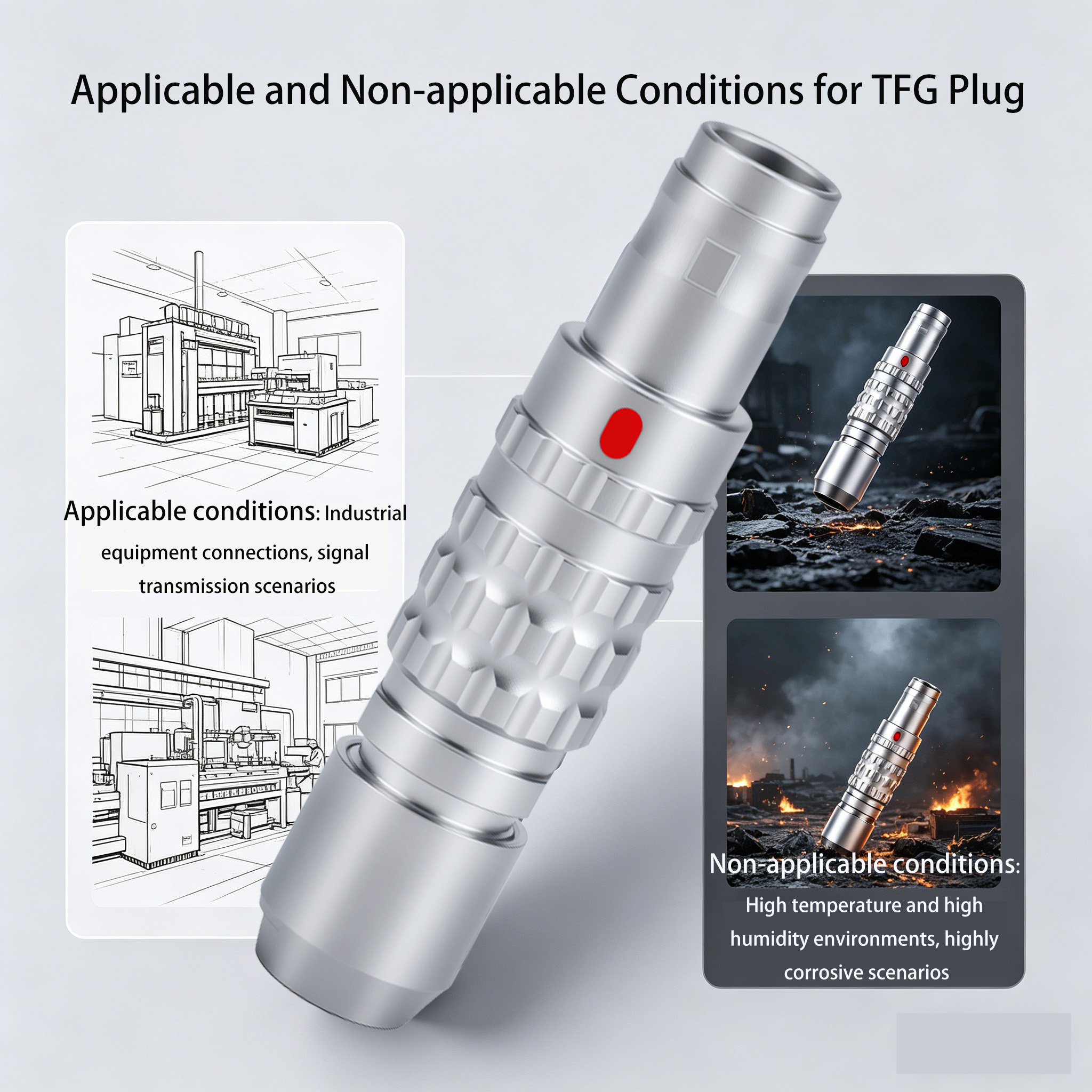

This article will explain from multiple perspectives, including mechanical design, electrical contact, cable strain relief methods, and application environments, why "T Series TFG plugs are not suitable for all scenarios," what factors can lead to connection failure, and how to properly select and maintain them for long-term stability.
Why are T Series TFG plugs widely considered reliable and easy to use?
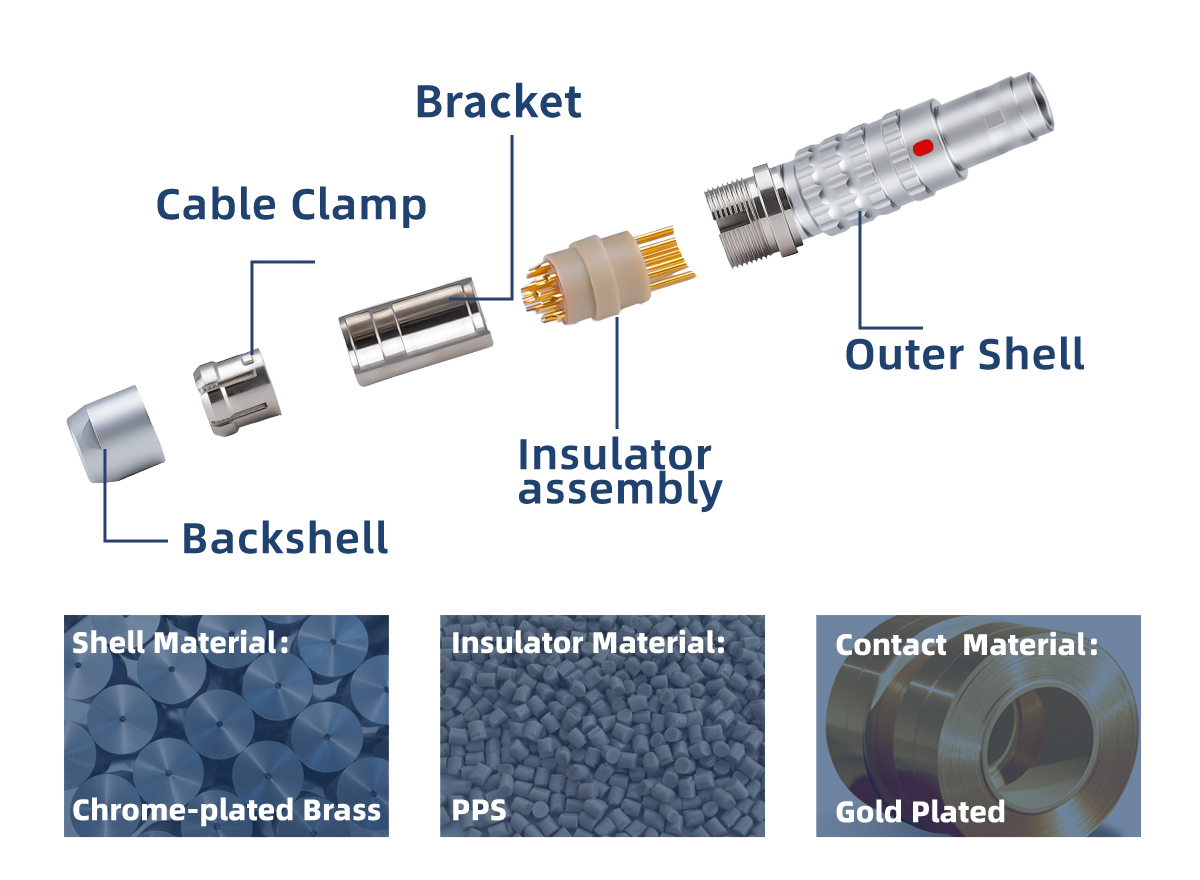
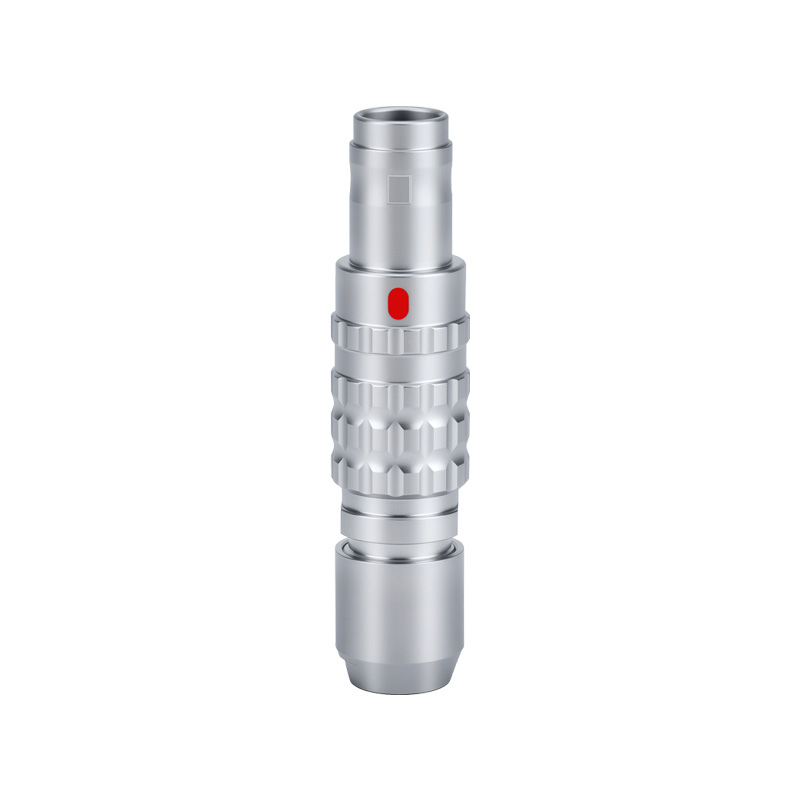
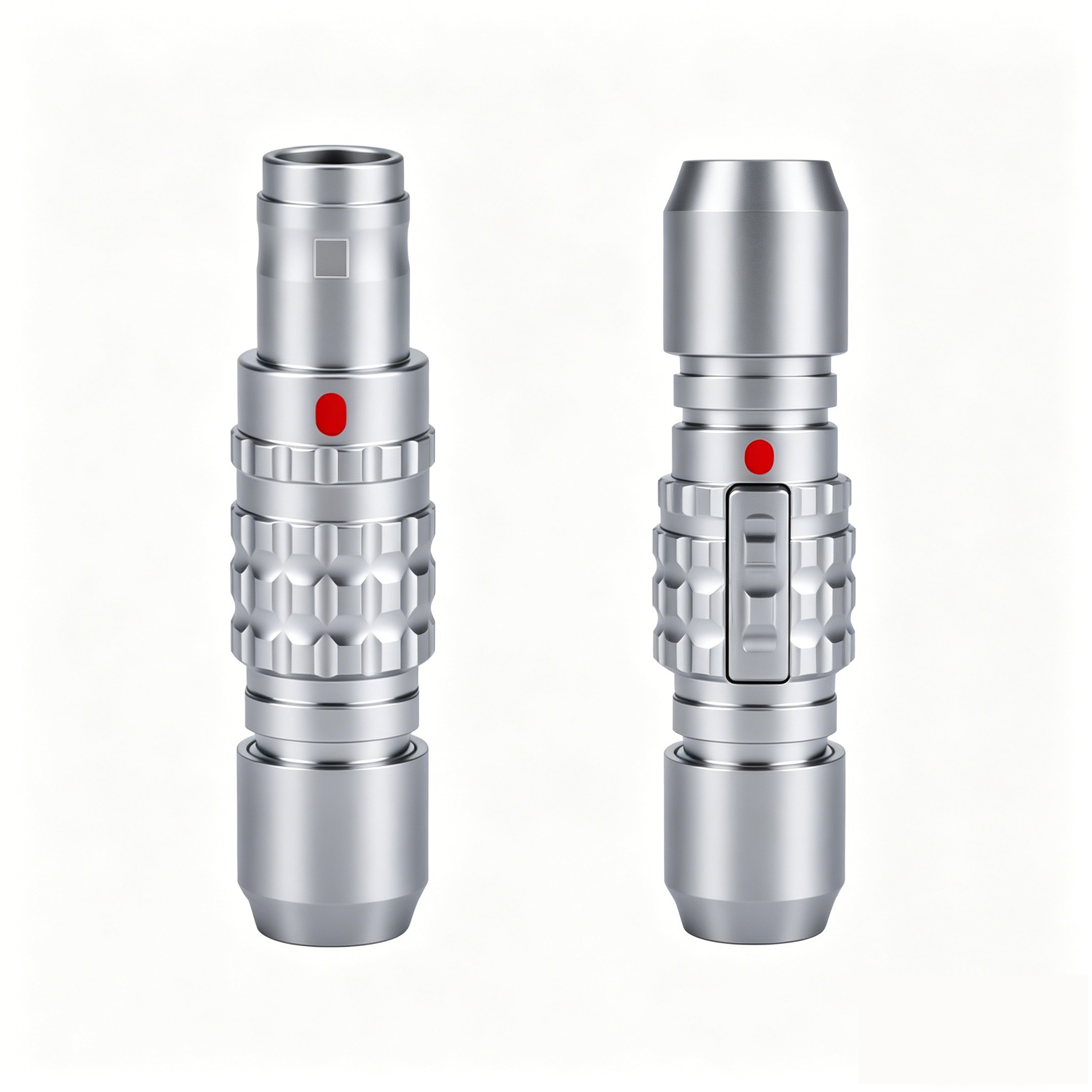
(1)Straight plug body, compact with an ergonomic push-pull surface
(2)Unlatched (no self-locking mechanism), relying on friction and spring assistance for mating retention
(3)Cable clamp type tail, clamping the cable jacket via screws or threaded cap
(4)Precision-machined brass or 304/316L stainless steel shell, with chrome or nickel plating
(5)Multi-contact configurations (2 to 30 cores), gold-plated pins and sockets
(6)Typically meets IP50 to IP67 protection ratings (depending on sealing options)
It is the combination of unlatched quick push-pull operation + cable clamp-style strain relief that makes this plug a convenient choice for frequent plugging/unplugging and quick disconnection in non-vibration applications.
Why is the T Series TFG plug (unlatched) still considered reliably connected?
— The key lies in "friction fit and spring assistance."
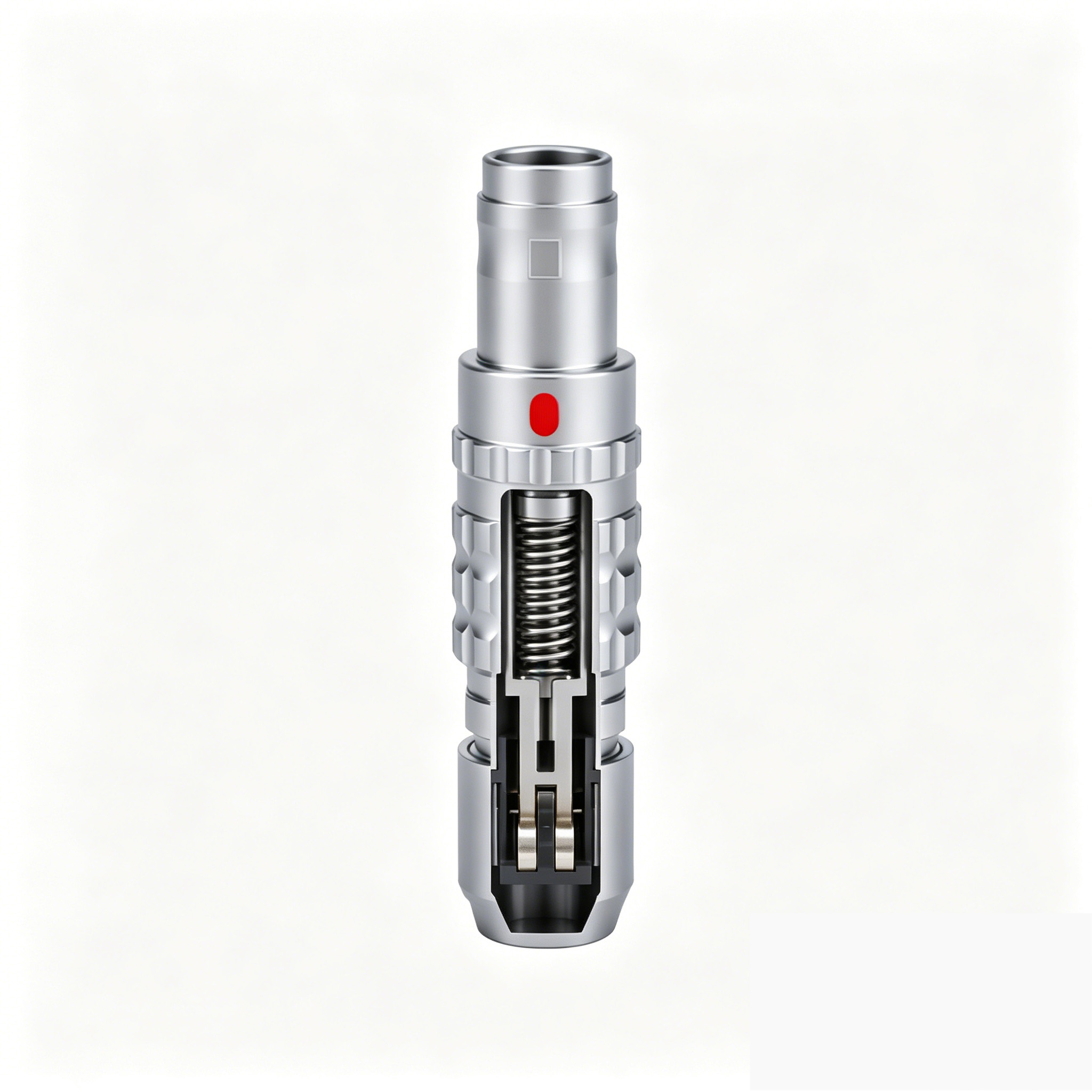
Allows one-handed quick insertion and extraction
Prevents damage to the equipment interface during accidental tugging (preferential disengagement when unlatched)
Eliminates additional locking mechanisms, resulting in a simpler, more compact structure
Suitable for fixed or light-duty equipment where strong vibration resistance is not required
Can T Series TFG plugs actually experience connection failure or cable pull-out?
- Genuine T Series TFG plugs are sufficiently reliable in suitable applications. If the product meets design specifications, the cable clamp is correctly installed, and it is used in environments without strong vibration or continuous cable tugging, both electrical and mechanical connections can remain stable for a long time.
- However, T Series TFG plugs "are prone to issues resembling poor contact or loose cable clamping."These issues are often mistakenly attributed to poor product quality, but their root causes are usually:
Cable clamp not tightened properly, leading to cable pull-out or internal wire strain
Plug and receptacle not fully mated, resulting in insufficient retention force
Using an unlatched model in a vibrating environment, causing the plug to gradually back out
Mismatch between cable outer diameter and clamp range, resulting in insufficient clamping force
Loss of socket spring force after repeated insertions, reducing retention force
Why does the cable clamp on T Series TFG plugs "fail"?
1. Is the clamping force of the cable clamp sufficient?
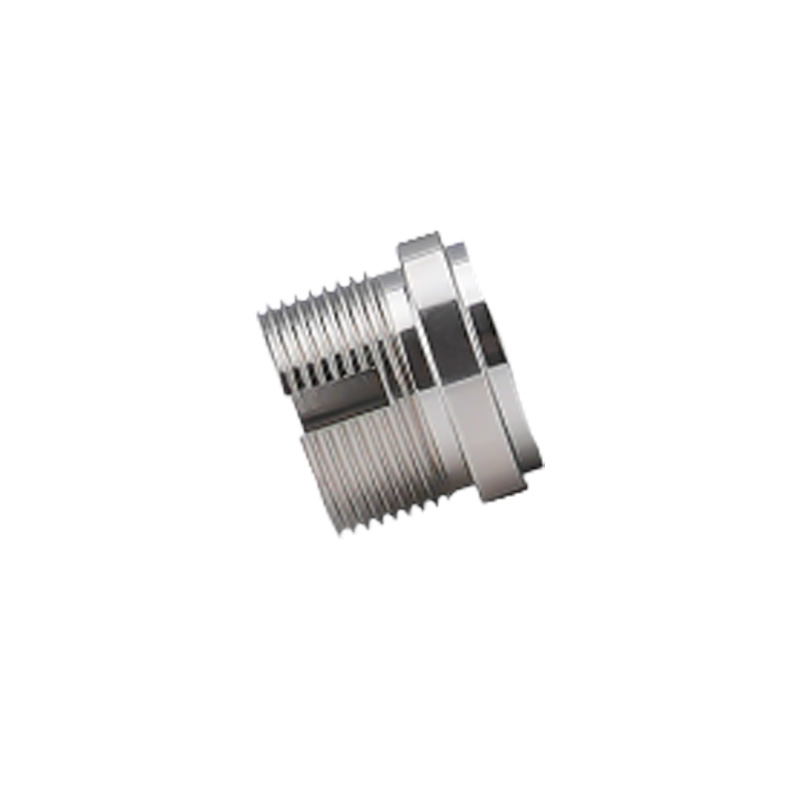
Screw or tail cap not tightened to the specified torque
Cable jacket material too soft or slippery (e.g., Teflon or silicone wire)
Cable outer diameter outside the clamp's range (too thin → won't hold; too thick → cannot be inserted)
No anti-slip features inside the clamp (e.g., no serrations or rubber ring)
2. Is the cable clamp correctly selected and installed?
Incorrect stripping length, causing the clamp to press on exposed shielding or inner wires
Cable jacket not fully inserted into the clamp bore
No heat shrink tubing or tail sleeve used for additional strain relief
Reusing worn or deformed clamps after multiple disassemblies
These errors cause the strain relief function to be lost, so pull forces are transmitted directly to the electrical connection points.
Does mating retention force decrease with insertion wear?
Elastic contact force between socket and pin
Axial spring force inside the plug
Is the unlatched model being used in an unsuitable environment?
Mobile equipment, vehicles, robots — where vibration or shock exists
Cables frequently tugged or flexed
Equipment where the connector hangs downward (gravity may cause disengagement)
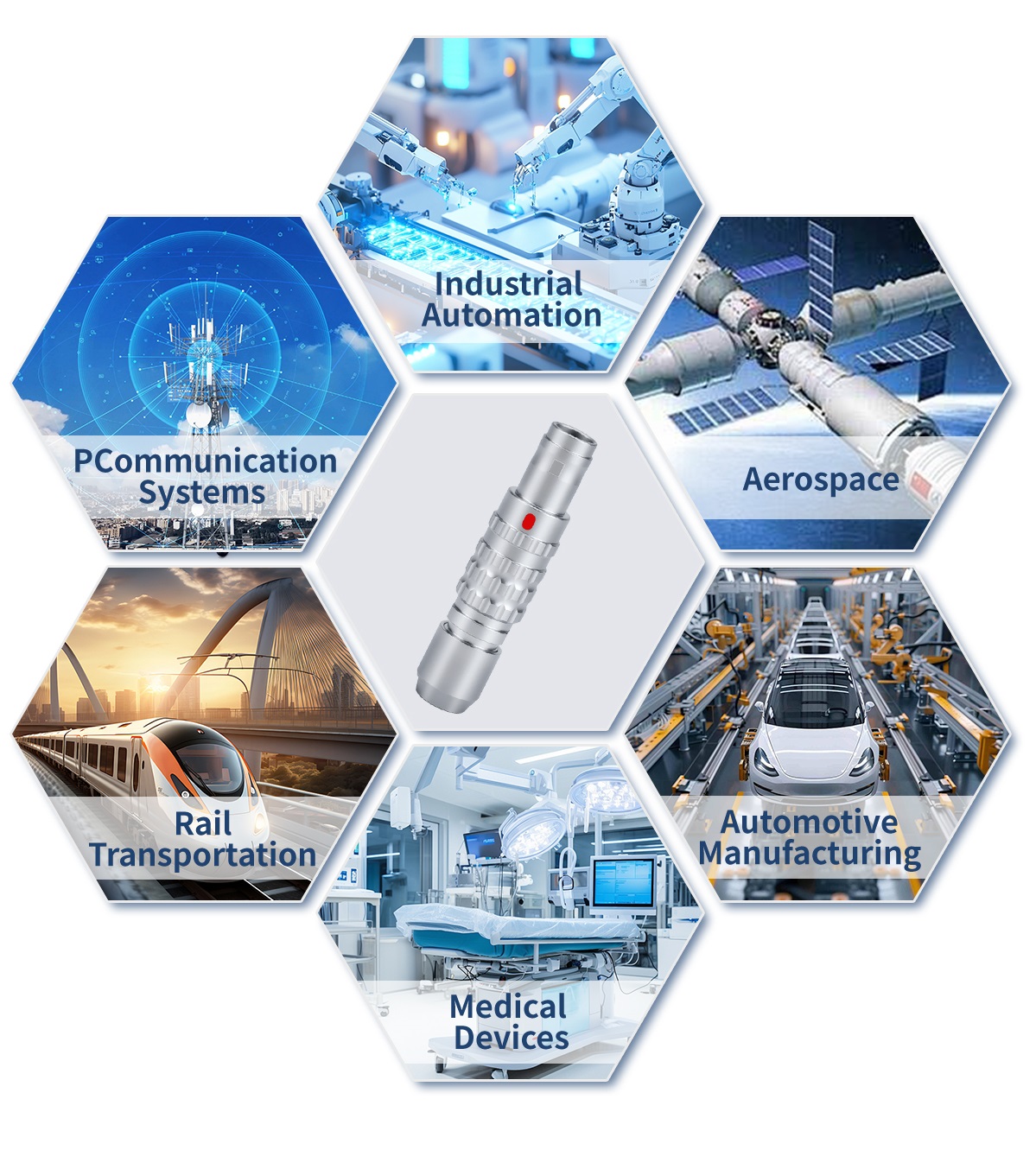
Is "connection unreliability" in T Series TFG plugs a "false impression" or a "true defect"?
True Defect (Product Failure)
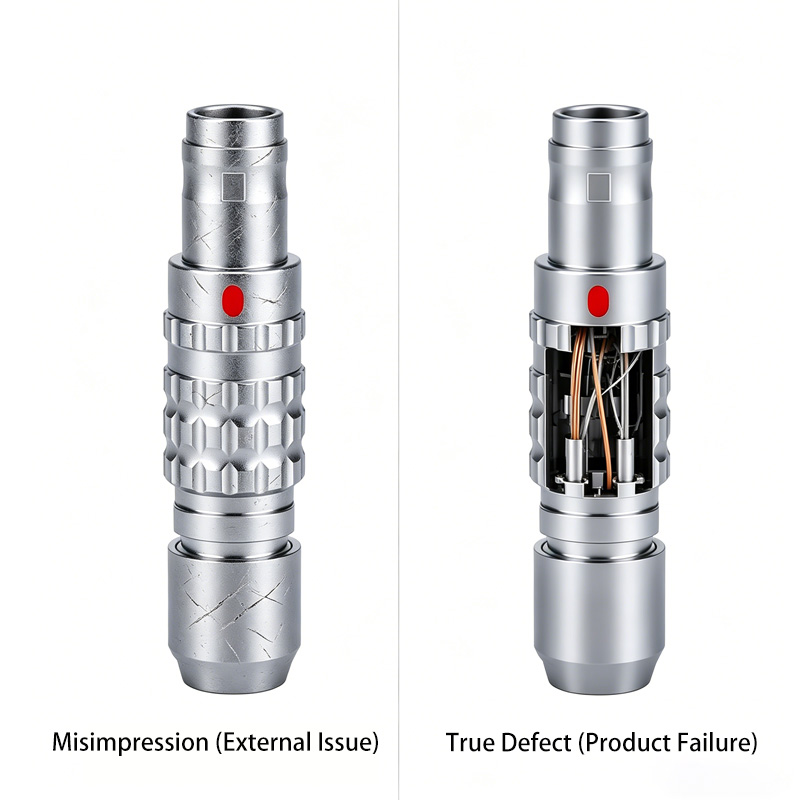
1. "False impression" – Caused by external factors
Returns to normal after re-mating
Signal fluctuates when the cable is wiggled
Visible gap between plug and receptacle
Cable jacket has partially pulled out of the clamp
2. "True defect" – Design or selection error
Even with correct installation and mating, slight vibration causes intermittency
Sockets are clearly loose; the plug slides out easily
Clamp structure cracked or threads stripped
Material fatigue; spring fails quickly
What usage habits most easily make T Series TFG plugs "behave unreliably"?
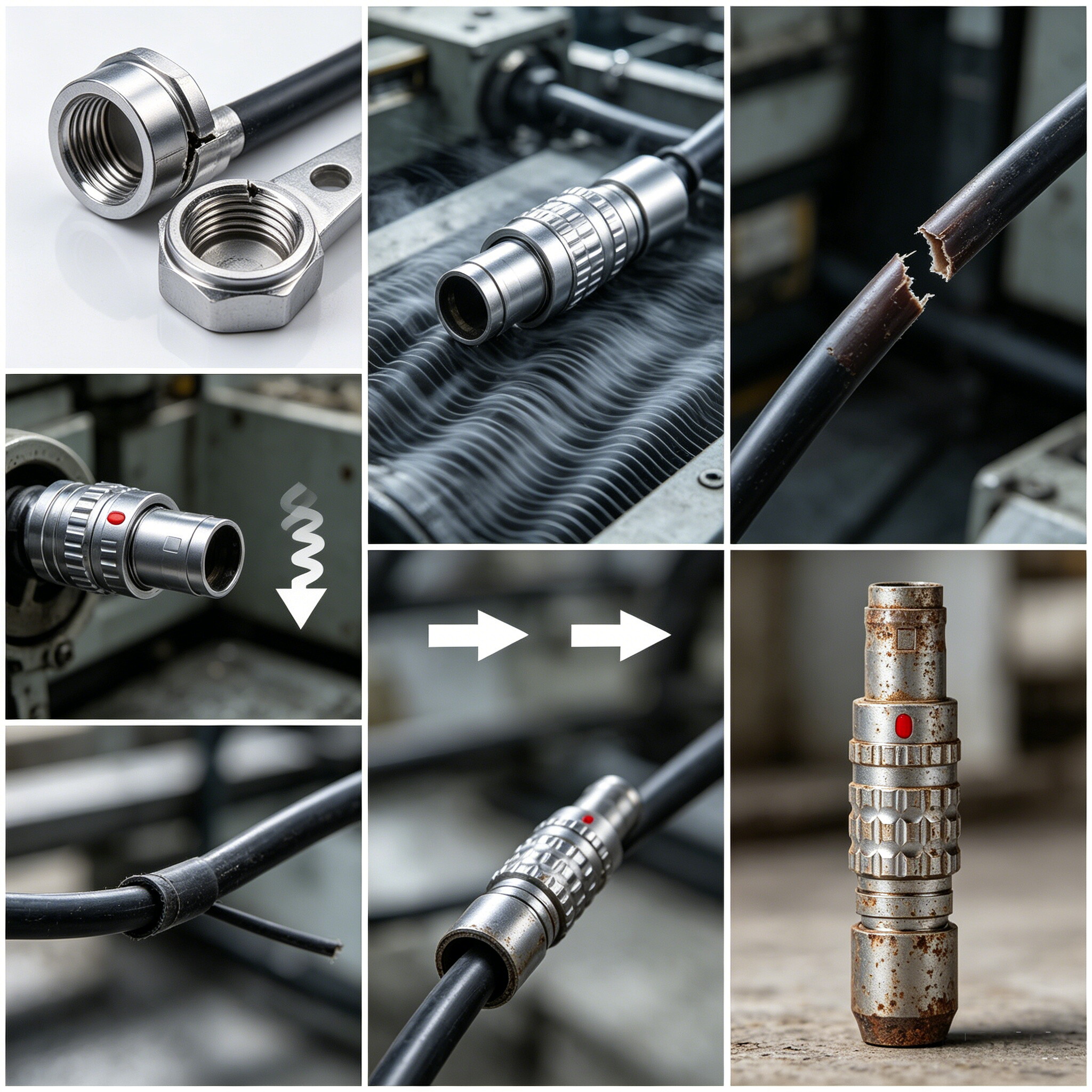
(1)Cable clamp not tightened, or overtightened
(2)Using an unlatched model in a vibrating environment
(3)Twisting the plug during insertion/extraction instead of pure axial push-pull
(4)Mismatched cable diameter and clamp size
(5)Long-term use in humid or corrosive environments without maintenance
How to ensure long-term reliability of T Series TFG straight plugs (cable clamp type)?
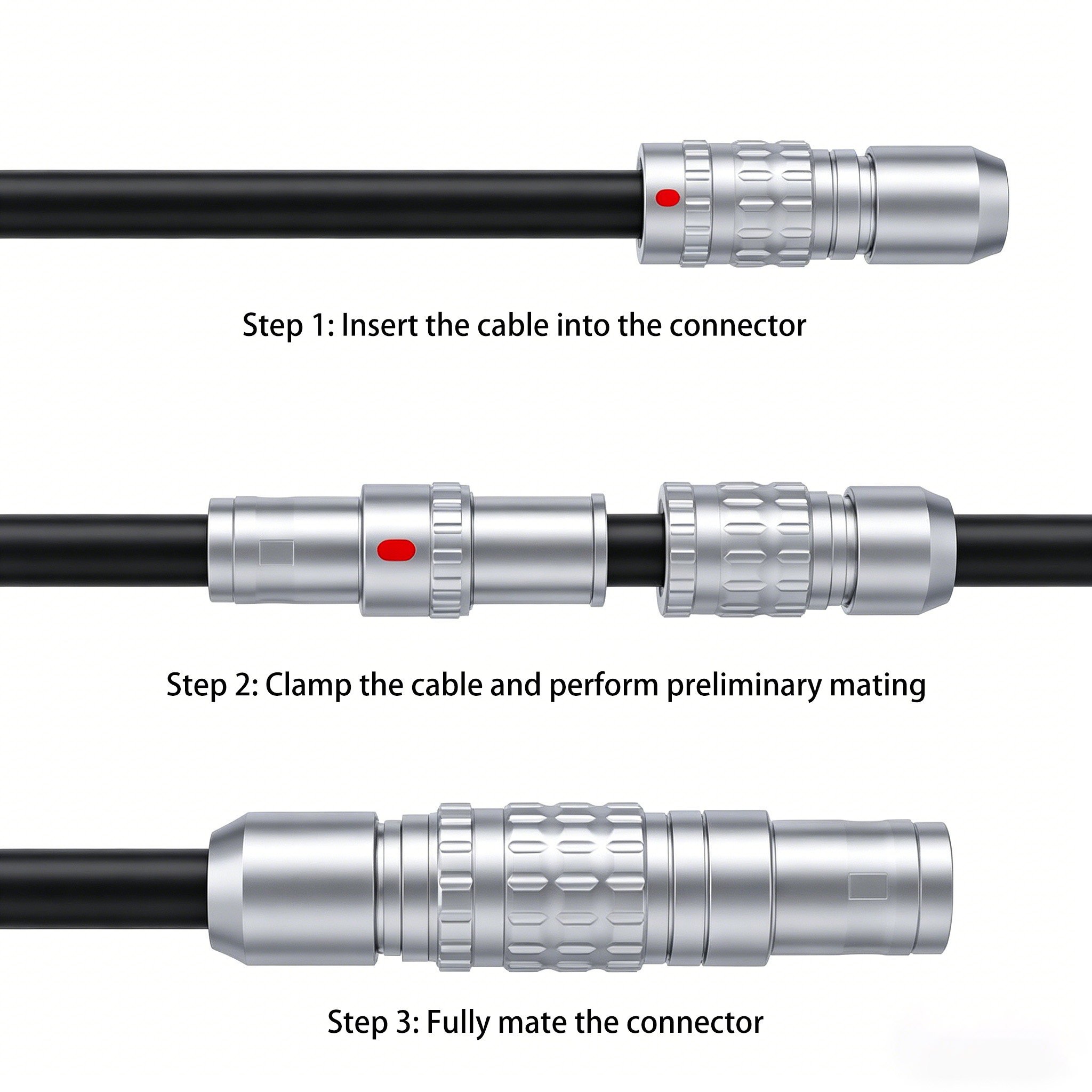
Install the cable clamp correctly
Ensure full mating of the plug
Regular inspection and cleaning
Switch to a latching series in vibration environments
Add external strain relief for the cable
Does the reliability of T Series TFG plugs depend on materials and manufacturing quality?
| Feature | Economy Grade | Industrial Grade |
| Socket material | Brass, gold plated | Beryllium copper, heavy gold plated |
| Mating cycles | ≈1000 | ≥5000 |
| Shell | Brass, chrome plated | 304 stainless steel |
| Clamp structure | Single screw | Dual screws + anti-slip serrations |
| Suitable environment | Indoor, static | Industrial/laboratory, dynamic |
Summary: Are T Series TFG straight plugs (unlatched, cable clamp type) truly reliable?